The Digital Transformation of Maritime Education and Training: A Literature Review of Technological Innovations, Pedagogical Shifts, and Regulatory Adaptations in the Industry 4.0 Era
Keywords:
Maritime education and training, digital transformation, virtual reality, artificial intelligence, autonomous shipping, STCW conventionAbstract
The study discusses the ongoing digital transformation in the maritime industry and its impact on Maritime Education and Training (MET). It highlights the need for MET frameworks to adapt to Industry 4.0 demands by incorporating advanced technologies such as Artificial Intelligence (AI), Virtual Reality (VR), and Autonomous Systems. The study also emphasizes the limitations of traditional vocational education models in preparing a workforce skilled in data literacy, mechatronics, and cybersecurity. The objective of the paper is to examine the integration of advanced digital technologies into maritime educational curricula and to identify the major barriers, effectiveness, and future requirements for implementing “Next Generation Education” in maritime training. The study employs a literature review approach by conducting a comprehensive synthesis of recent research related to digital technologies in MET. The analysis is guided by theoretical frameworks including the Technology Acceptance Model (TAM), the Unified Theory of Acceptance and Use of Technology (UTAUT), and the Attention, Relevance, Confidence, and Satisfaction (ARCS) Model of Motivation to evaluate gamification and immersive simulation technologies. The study found that the integration of advanced technologies significantly enhances the effectiveness of MET. VR-enhanced training was reported to improve knowledge retention by up to 75%, while gamified learning platforms substantially increased student engagement and academic performance, with post-test scores improving from 5/30 to 27/30 in specialized communication training. Despite these benefits, the study identified several challenges to digital adoption, including rigid curricula and the global digital divide. The findings also emphasized that successful technological integration requires continuous professional development for educators and revisions to international regulatory frameworks, particularly the International Convention on Standards of Training, Certification and Watchkeeping for Seafarers (STCW), to support the development of “Next Generation Education” for safer and more efficient maritime operations.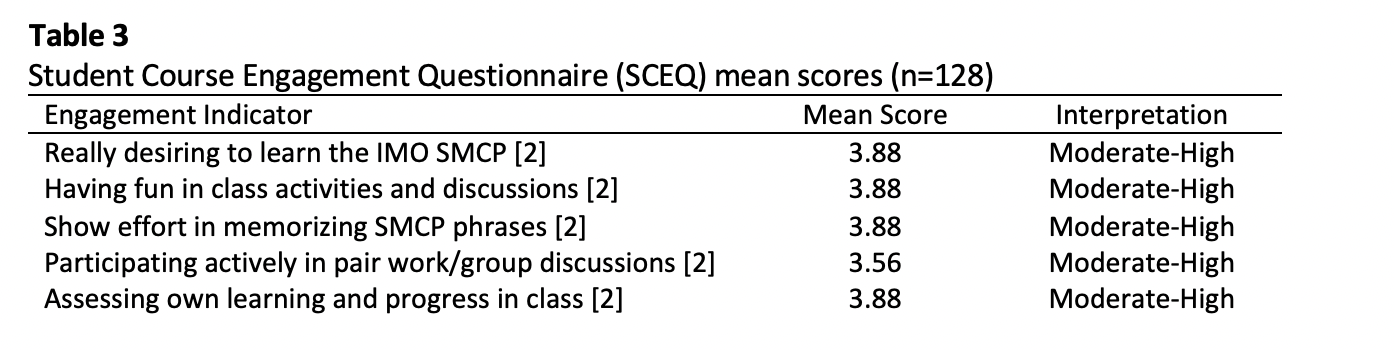
Downloads
Published
2026-07-15
How to Cite
Mohd ‘Afizi Mohd Shukran, Noratiqah Kamsani, Zulkifly Mat Radzi, Mohammad Hanif Dihani Mohd Zaidi, Mohamad Zaid Sapii, Mohd Arif Ahmad, & Mohamad Azrin Abd Azis. (2026). The Digital Transformation of Maritime Education and Training: A Literature Review of Technological Innovations, Pedagogical Shifts, and Regulatory Adaptations in the Industry 4.0 Era. Semarak International Journal of STEM Education, 10(1), 1–11. Retrieved from https://semarakilmu.my/index.php/sijste/article/view/1159
Issue
Section
Articles