An Assessment of MirrorLearn: Examining Technical Quality and Pedagogical Efficacy for English Speaking Practice
Keywords:
MirrorLearn, English learning, pronunciation, spelling, gamification, AI in education, Malaysia, digital literacyAbstract
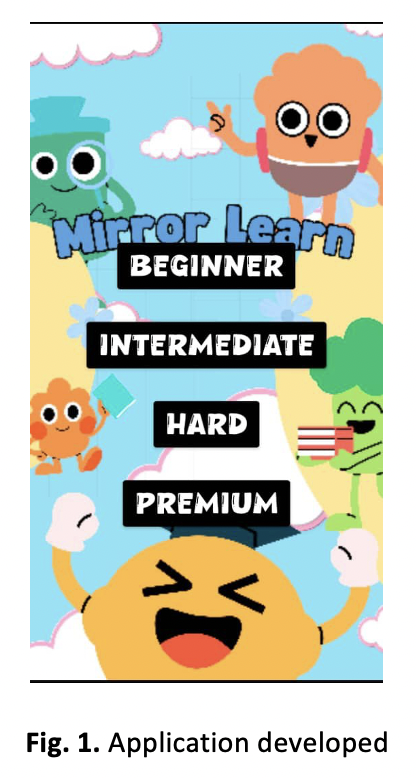
In response to the persistent challenges lower primary students in Malaysia face with English spelling, pronunciation, and sentence construction under the MBMMBI policy, this study examines MirrorLearn, an AI-powered mobile application that offers real-time corrective feedback and gamified learning. A survey conducted with 43 parents and teachers found that 88.4% of respondents believe children struggle with pronunciation and spelling, and 93% agreed that learners have difficulty correcting their own errors. Key barriers identified include limited vocabulary, reported by 67.4% of respondents, and the influence of local dialects, noted by 51.2%. Despite these challenges, 72.1% of participants expressed positive views on using technology to enhance English learning, with strong support for visual-audio and interactive methods. These findings suggest that MirrorLearn can address significant gaps in traditional teaching by providing personalized and engaging learning pathways, and despite developmental limitations, it shows potential as a scalable and impactful educational tool in Malaysia.