Islamic Education Teachers' Perception on the Effectiveness of the Gallery Walk Method in Enhancing Student Engagement
Keywords:
Gallery walk method, islamic education, teacher perceptionAbstract
Student engagement in Islamic Education is often constrained by teacher‑centred approaches that limit active participation and higher‑order thinking. This study investigates the use of the Gallery Walk, a cooperative movement‑based strategy, in Islamic Education classrooms. It addresses three issues: possible gaps between assumed and actual teacher perceptions, undocumented levels of teachers’ pedagogical knowledge, and an unclear link between usage frequency and student engagement. The study aimed to evaluate teachers’ perceptions of the Gallery Walk’s effectiveness, assess their understanding of the method, and examine how frequency of use relates to teacher‑observed student engagement. A quantitative cross‑sectional survey was conducted using a structured questionnaire administered to 125 primary and secondary Islamic Education teachers. The instrument included demographic items and Likert‑scale statements on perceptions, pedagogical knowledge, implementation experience, and observed student behaviours, with data analysed descriptively. Findings indicate strong teacher support and competence: 80–85% agreed the Gallery Walk enhances engagement, focus, enjoyment, and understanding; over 77% showed clear conceptual knowledge; and teachers observed high levels of student initiative (78.4%), peer feedback (82.4%), teamwork (83.2%), and conceptual understanding (84.8%). The study concludes that the Gallery Walk is pedagogically sound, aligns with Islamic educational values, and benefits from teacher familiarity. Ongoing professional development is recommended to maintain quality and strengthen student‑centred learning.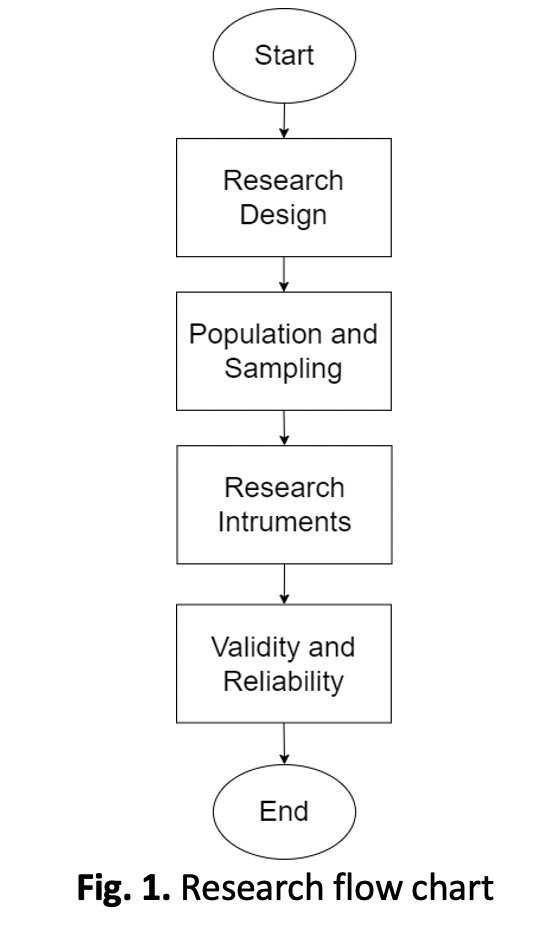
Downloads
Published
2026-02-26
How to Cite
Aziz, N. A. F., Wan Ismail, W. O. A. S., Wan Zulkefli, W. N. A., Shaipolbahari, N. S. N., Kamaruddin, N. Q. F., & Ahmad Sobri, S. (2026). Islamic Education Teachers’ Perception on the Effectiveness of the Gallery Walk Method in Enhancing Student Engagement . Semarak International Journal of Islamic Studies and Culture , 9(1), 40–53. Retrieved from https://semarakilmu.my/index.php/sijisc/article/view/997
Issue
Section
Articles