The Use of the KWL Chart as a Learning Reflection Tool in Islamic Education Teaching and Learning (Form Three) at SMK Tengku Intan Zaharah, Dungun, Malaysia
Keywords:
KWL strategy, Islamic education, sirah learning, student engagement, reflective learningAbstract
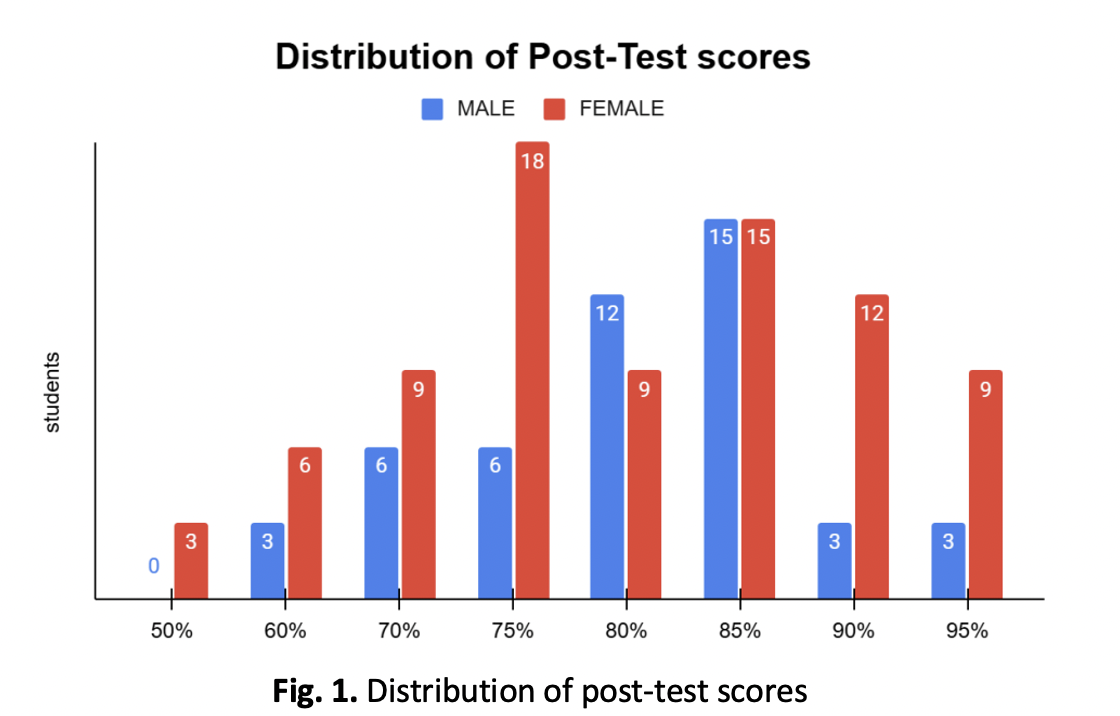
This study investigates the pedagogical effectiveness of the KWL (Know–Want to Know–Learned) strategy in enhancing students’ comprehension and engagement in the Sirah topic Perjanjian Hudaibiyah within the Malaysian Islamic Education curriculum. Although Sirah constitutes a critical component for developing students’ moral, ethical, and spiritual identities, it is frequently regarded as challenging due to its reliance on memorisation and limited integration of interactive, learner-centred methodologies. Consequently, students often display low interest and superficial understanding, indicating the need for more effective instructional approaches. The purpose of this research is to evaluate the extent to which the KWL Chart functions as a reflective learning tool capayyble of activating prior knowledge, guiding learning intentions, and supporting metacognitive processing among Form Three students. Adopting a qualitative research design supplemented with pre-test and post-test measures, the study engaged 129 students through structured KWL activities, classroom observations, and assessment tasks, with data analysed thematically and descriptively. The results demonstrate substantial improvement in students’ academic performance, with mean scores increasing from 79.5% to 87.8%, the proportion of distinction achievers rising from 21% to 53%, and the complete elimination of low-achievement categories. Both male and female students recorded comparable gains, confirming the strategy’s broad applicability. Observational data further indicate heightened learner participation, improved cognitive engagement, and enhanced reflective capacity, as students became more proactive in questioning, expressing ideas, and evaluating their own learning. In conclusion, the findings affirm that the KWL strategy constitutes an academically robust pedagogical tool that effectively strengthens conceptual mastery, fosters reflective thinking, and promotes more meaningful and student-centred learning experiences, with strong implications for wider implementation across Islamic Education and other concept-driven disciplines.