The Fading Light of Social Empathy
Keywords:
Empathy, humanity, cultural semiotic, social unrest, politicsAbstract
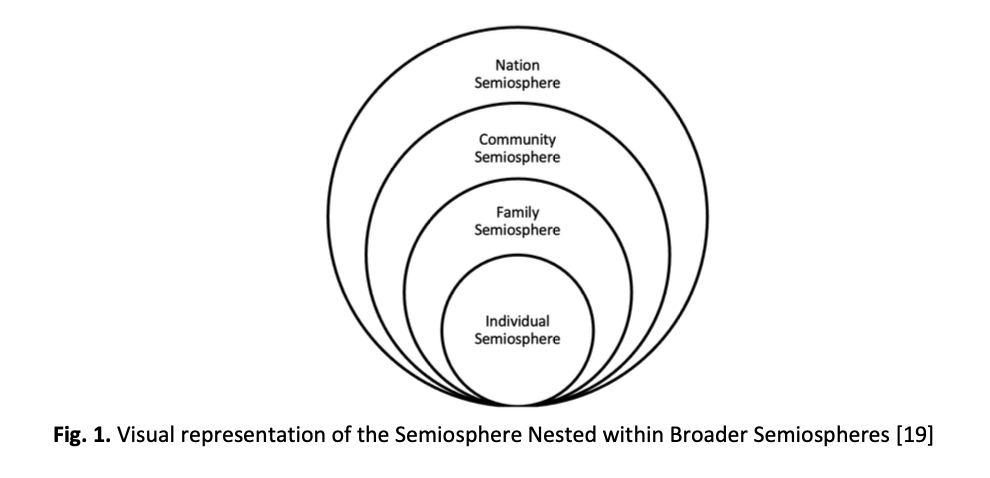
Empathy—understood as the capacity to comprehend, resonate with, and share the emotional states of others—is widely regarded as one of the fundamental instincts inherent to human nature. Indonesia has long been recognized as a society with a high degree of collective empathy, as evidenced by its consistent ranking as the most generous nation globally for seven consecutive years, and its enduring tradition of gotong royong (mutual cooperation) deeply embedded in communal life. Nevertheless, as the Republic marks its 80th year of independence, recent events have raised critical concerns regarding a perceived erosion of social empathy. A particularly alarming case emerged from a small village in West Java Province, located not far from the national capital. A social worker discovered a four-year-old girl in an unconscious state and immediately transported her to a hospital. Her body was found to be severely infested with parasites, and she passed away nine days later. The child had been born to parents with severe mental health disorders and lived in conditions of extreme poverty. Despite this, no member of the surrounding community assumed responsibility for her welfare, nor did any intervention arise to ensure her care or monitor her development. This tragic incident highlights a profound instance of social neglect within a context traditionally characterized by communal solidarity. Concurrently, the public has been further disquieted by a series of statements and actions by public officials perceived as devoid of empathy, which have exacerbated public discontent and triggered broader episodes of social unrest. This paper positions empathy as a foundational element of human social behaviour and seeks to study the shifting expressions and practices of social empathy in contemporary Indonesian society. The study adopts a qualitative research design, utilizing the cultural semiotics framework of the Tartu-Moscow Semiotic School to explore the phenomena of social empathy in the contemporary Indonesian context. The findings indicate a discernible transformation in societal attitudes toward empathy, shaped by a constellation of socio-cultural, political, and economic factors.