Autism Spectrum Disorder in Malaysia: A Systematic Review of Safety Risks, Caregiver Health, and Intervention Gaps
Keywords:
Autism Spectrum Disorder, safety risks, caregiver health, intervention gaps, MalaysiaAbstract
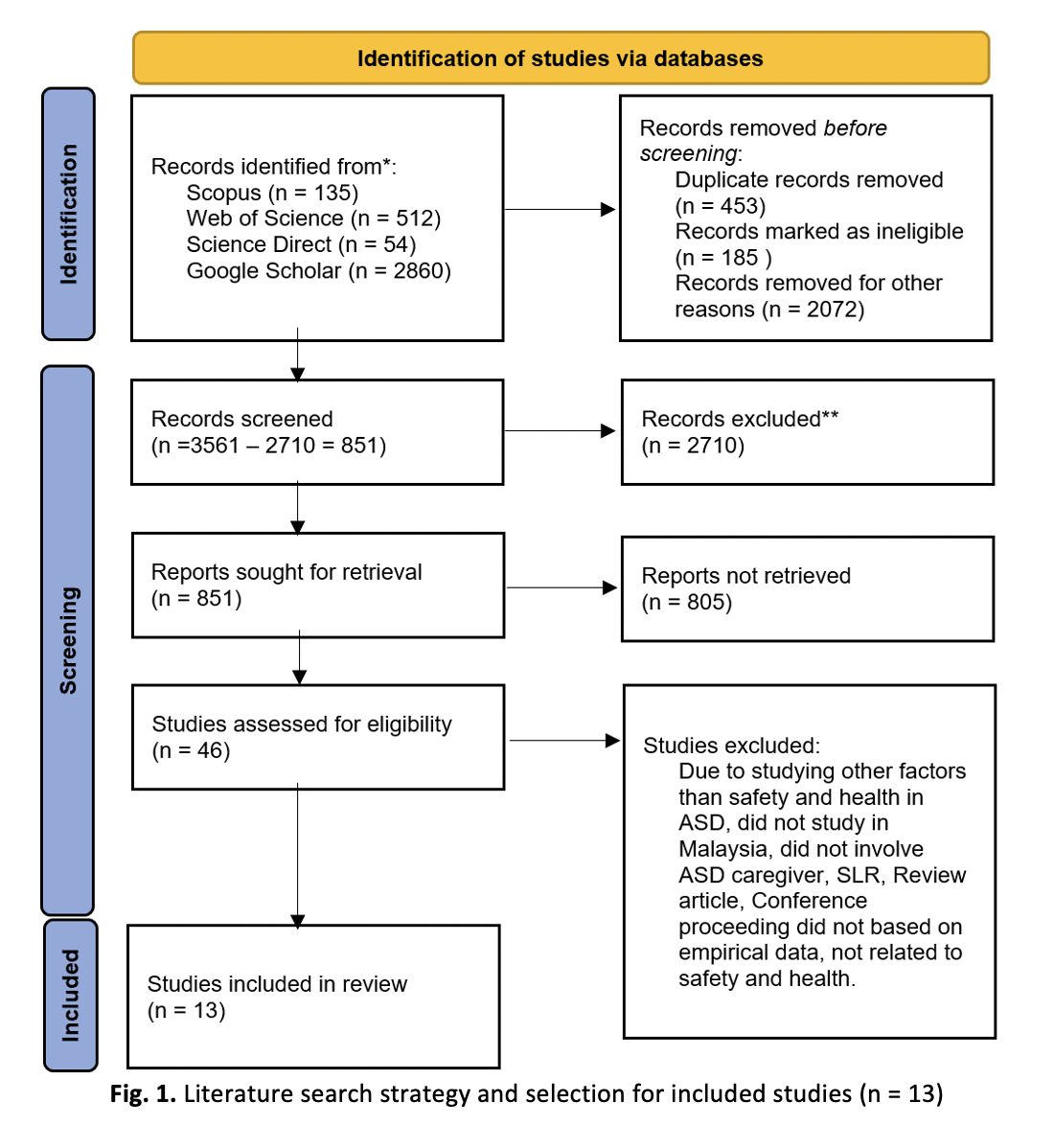
Autism Spectrum Disorder (ASD) presents multifaceted safety and health challenges that extend beyond clinical symptoms to include behavioural risks, caregiver burden, and systemic service gaps. In Malaysia, caregivers frequently assume the role of primary safety managers for individuals with ASD, often in the absence of structured and accessible support systems. However, existing empirical evidence addressing autism-related safety and health issues remains fragmented across disciplines. This systematic literature review synthesised empirical studies conducted in Malaysia and published between 2019 and 2024. Guided by the Preferred Reporting Items for Systematic Reviews and Meta-Analyses (PRISMA) framework, searches were conducted in Scopus, Web of Science, ScienceDirect, and Google Scholar. Thirteen eligible studies were included following screening and quality appraisal using the Effective Public Health Practice Project (EPHPP) tool. Results: The synthesis identified three interrelated domains of concern: (i) behavioural and environmental safety risks among individuals with ASD, including meltdowns, sensory overload, and wandering; (ii) substantial psychological and occupational health burden experienced by caregivers, characterised by chronic stress, anxiety, and reduced quality of life; and (iii) systemic intervention gaps related to limited service accessibility, inconsistent implementation, and shortages of trained professionals. While behavioural and community-based interventions demonstrated potential benefits, their effectiveness was frequently constrained by structural and resource-related limitations. Autism-related safety and health challenges in Malaysia reflect a complex interaction between individual behavioural risks, caregiver well-being, and healthcare system constraints. Strengthening autism care requires coordinated, contextually appropriate strategies that integrate caregiver training, standardised intervention delivery, and equitable service access. These findings provide evidence to inform healthcare providers and policymakers seeking to improve autism-related safety and health outcomes within the Malaysian public health landscape.