
A Systematic Literature Review of Workplace Bullying: Institutional Dynamics, Psychological Impacts, and Prevention Strategies across Global Sectors

Authors

  • Imran Danial Krish Abdullah Centre of Foundation Studies, Universiti Teknologi Mara, Cawangan Selangor, Kampus Dengkil, Dengkil, Selangor, Malaysia
  • Nur Hani Laily Ramli Centre of Foundation Studies, Universiti Teknologi Mara, Cawangan Selangor, Kampus Dengkil, Dengkil, Selangor, Malaysia
  • Faizah Baharudin Centre of Foundation Studies, Universiti Teknologi Mara, Cawangan Selangor, Kampus Dengkil, Dengkil, Selangor, Malaysia
  • Afiqah Abd Aziz Centre of Foundation Studies, Universiti Teknologi Mara, Cawangan Selangor, Kampus Dengkil, Dengkil, Selangor, Malaysia
  • Janaki Manokaran Centre of Foundation Studies, Universiti Teknologi Mara, Cawangan Selangor, Kampus Dengkil, Dengkil, Selangor, Malaysia
  • Huong Vu Thang Long High School for the Gifted, 10, Tran Phu, DaLat, Lam Dong, Vietnam
  • Ahmad Hafizuddin Zainal Abidin Ministry of Science, Technology and Innovation (MOSTI), C5, Pusat Pentadbiran Kerajaan Persekutuan, Presint 1, 62000 Putrajaya, Wilayah Persekutuan Putrajaya, Malaysia

Keywords:

Workplace bullying, emotional exhaustion, burnout, organisational commitmen, systematic review

Abstract

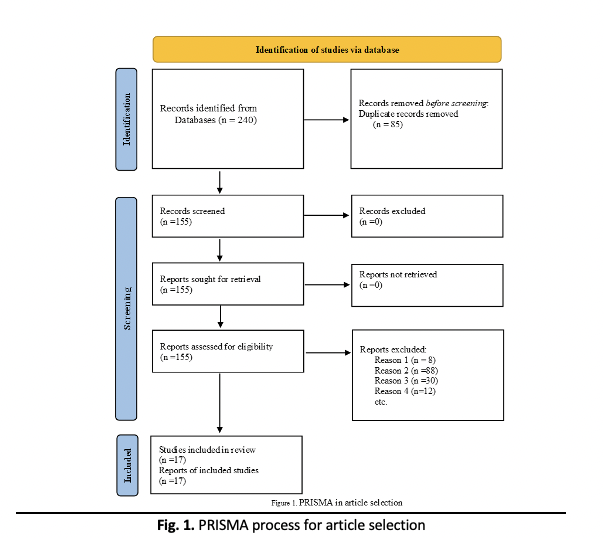
Workplace bullying represents a pervasive global challenge that severely compromises employee well-being and organisational efficacy across multiple sectors. This systematic literature review (SLR) synthesises 17 peer-reviewed articles published between 2022 and 2025 to investigate the institutional dynamics, psychological consequences, and preventive interventions associated with workplace harassment. The findings reveal that while bullying is a universal phenomenon, it manifests through sector-specific vulnerabilities, such as the disproportionate burden borne by LGBTQ+ employees in higher education and the high prevalence of burnout among nursing professionals. The results further identify critical psychological mechanisms, including work alienation and emotional exhaustion, which serve as mediators between persistent negative acts and total job burnout. Furthermore, the review highlights the pivotal role of ethical leadership and innovative social-learning tools, such as gamified discussion platforms, in fostering a climate of trust and psychological safety. Ultimately, this study advocates for a transition toward a human-rights-based framework in organisational policy to safeguard professional dignity and institutional sustainability in the modern era.

Author Biography

Nur Hani Laily Ramli, Centre of Foundation Studies, Universiti Teknologi Mara, Cawangan Selangor, Kampus Dengkil, Dengkil, Selangor, Malaysia

nurha056@uitm.edu.my

Downloads

Published

2026-05-20

Issue

Section

Articles