The Effect of Implementing a Community-Based Training Model with Contextual and Coaching Approaches on the Learning Leadership in Indonesia
DOI:
https://doi.org/10.37934/sarob.4.1.3149aKeywords:
Community, contextual, coaching, learning leadershipAbstract
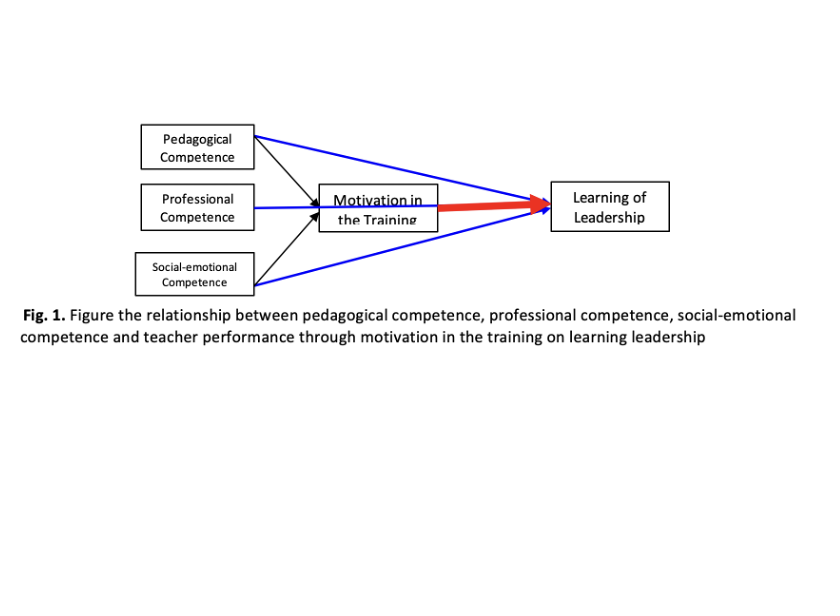
Golden Indonesia 2045 is sovereign, advanced, just, and prosperous; one of the spearheads is education. Indonesia Emas 2045 is characterized by superior and quality human resources, an advanced and sustainable economy, and learning and development are needed. The implementation of the training management model is supported by Social Exchange Theory (SET). Training activities and implementation in learning in accordance with SET produce a reciprocal relationship that is felt by the organization for providing opportunities for employees to attend training. The low quality of learning due to unequal education in Indonesia contributes to the low mathematical literacy skills of Indonesian students, as evidenced by the PISA results and the Education Report Card from the National Assessment. Numeracy literacy training has not been obtained by all teachers, especially at the basic education level. Mathematics learning training in a basic, simple, reasoning-based, and contextual way is needed. The objectives of this study are (1) to determine the increase in scores from pre-test to post-test of numeracy literacy training; (2) to determine the activeness of participants participating in numeracy literacy training from the beginning to the end; and (3) to determine the effect of improving teacher competence on learning leadership through the motivation of participants to participate in numeracy literacy training with coaching and contextual approaches. This study used a mixed-methods approach and was analyzed using structural equation modelling (SEM). The findings in this study are (1) an increase in the average score of participants by 27.04; (2) participant activeness reached 98.7%; and (3) there is an effect of improving teacher competence on learning leadership through the motivation of participants who take part in numeracy literacy training with coaching and contextual approaches. The contribution of this research is the importance of numeracy literacy training for primary education teachers to become learning leaders in the classroom. So that they can apply basic, simple reasoning and contextual approaches.