Resolving the Intellectual Capital Performance Paradox: The Moderating Role of Organizational Learning in Malaysian SMEs
Keywords:
Intellectual capital, organizational learning, SMEs performanceAbstract
The relationship between intellectual capital (IC) and firm performance in small and medium-sized enterprises (SMEs) remains a subject of debate, with empirical studies, particularly in the Malaysian context, yielding inconsistent findings. This study posits that these mixed results stem from a neglect of critical contextual mechanisms that govern how IC is leveraged. Researchers introduce organizational learning as a pivotal moderating variable that strengthens the IC-performance relationship. Drawing on the resource-based view (RBV) and knowledge-based theory (KBT), we argue that SMEs with a superior organizational learning culture are better equipped to transform IC into sustainable competitive advantages, thereby enhancing performance. The findings hopefully can resolve critical theoretical inconsistencies by unveiling the boundary condition of organizational learning. They offer managers actionable insights into building learning-oriented cultures to capitalize on their intellectual assets, ultimately contributing to the strategic goals of Malaysia’s National Entrepreneurial Policy 2030 (NEP 2030) for economic sustainability.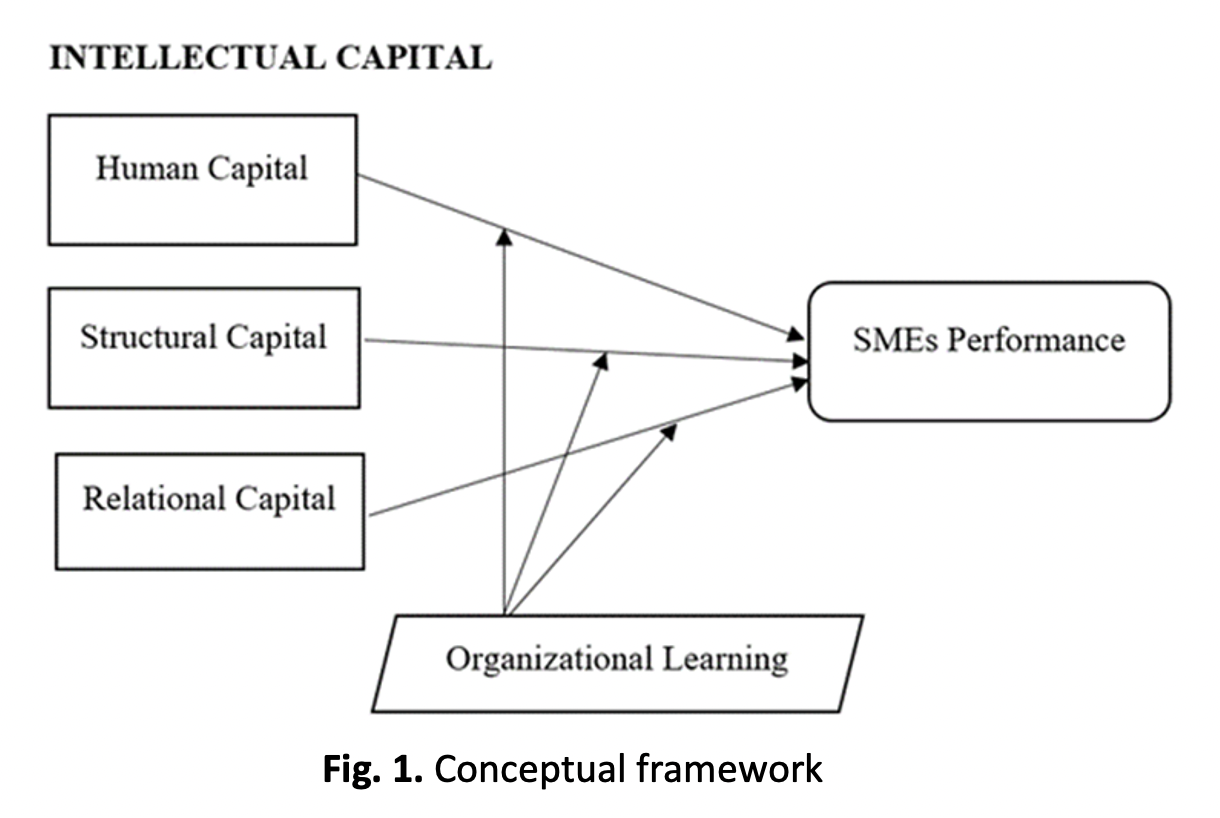
Downloads
Published
2026-05-07
How to Cite
Nurul Hidayah Md Noor, Hasnizam Hasan, & Azahari Ramli. (2026). Resolving the Intellectual Capital Performance Paradox: The Moderating Role of Organizational Learning in Malaysian SMEs. Semarak International Journal of Entrepreneurship, Economics, and Business Development , 8(1), 1–9. Retrieved from https://semarakilmu.my/index.php/sijeebd/article/view/1066
Issue
Section
Articles